



FAQs About Nighttime Hair Protection: what actually helps (and what’s marketing)
Nighttime hair care is one of those overlooked habits that quietly shape hair health. Many things we do while sleeping can create friction, tangles and unnecessary breakage. The goal is not to overhaul your night routine completely. The goal is to make small, smart adjustments that compound over time.
Below we answer common questions with clear explanations and useful tips.
Are protective hairstyles necessary?
They are not mandatory, but they are one of the highest impact habits for reducing mechanical damage. Simple loose hairstyles at night reduce friction, prevent strands from rubbing against coarse fabrics and keep ends from knotting. These benefits add up. Protective styles do not change the biology of hair growth, but they help us keep the hair we already have in better condition.
What can we use to protect hair at night?
A few tools consistently make the biggest difference.
A silk or satin pillowcase. A smooth surface means less friction and less moisture absorbed away from the hair. This is especially useful for curly, dry or long hair.
A gentle protective sleep hairstyle. Loose braids, a low loose bun, a twisted rope braid or the curly pineapple can reduce tangles and breakage. The key idea is loose, not tight.
A lightweight hair oil on the lengths. When used correctly, oils reduce friction, improve slip and help maintain softness overnight. Prefer applying a small amount only from mid lengths to ends so hair stays nourished without weighing down the roots.
A satin or silk bonnet or scarf. For people who toss and turn a lot or have textured hair that needs extra protection.
Does sleeping in braids protect hair?
Yes, as long as the braid is loose and comfortable. Braids keep strands grouped together which reduces friction and minimizes morning knots. A loose Dutch braid or a soft twisted rope braid works well for most hair types. Avoid tight braids at night because they can create tension at the hairline and on the scalp. Our goal is protection, not tension.
How much hair loss is normal while sleeping?
Most people shed around 50 to 100 hairs per day. Some of those hairs will naturally fall out at night, especially if your daytime activities have loosened them already. Long hair or hair that tangles easily can make this shed look more dramatic than it actually is. A good protective sleep style helps minimize avoidable breakage and reduces the amount of shedding you see on your pillowcase in the morning.
How to use oils smartly at night
Oils are not the enemy. They are incredibly useful when applied with intention. Oils can help hair glide against fabric more easily, prevent friction and support softness. The trick is to use the right amount and apply it to the right areas.
• Use only a few drops
• Apply from mid lengths downward
• Avoid heavy application on the scalp unless you are doing a deliberate treatment
• Comb through to distribute evenly
• Wash or co-wash in the morning if you apply oil more generously
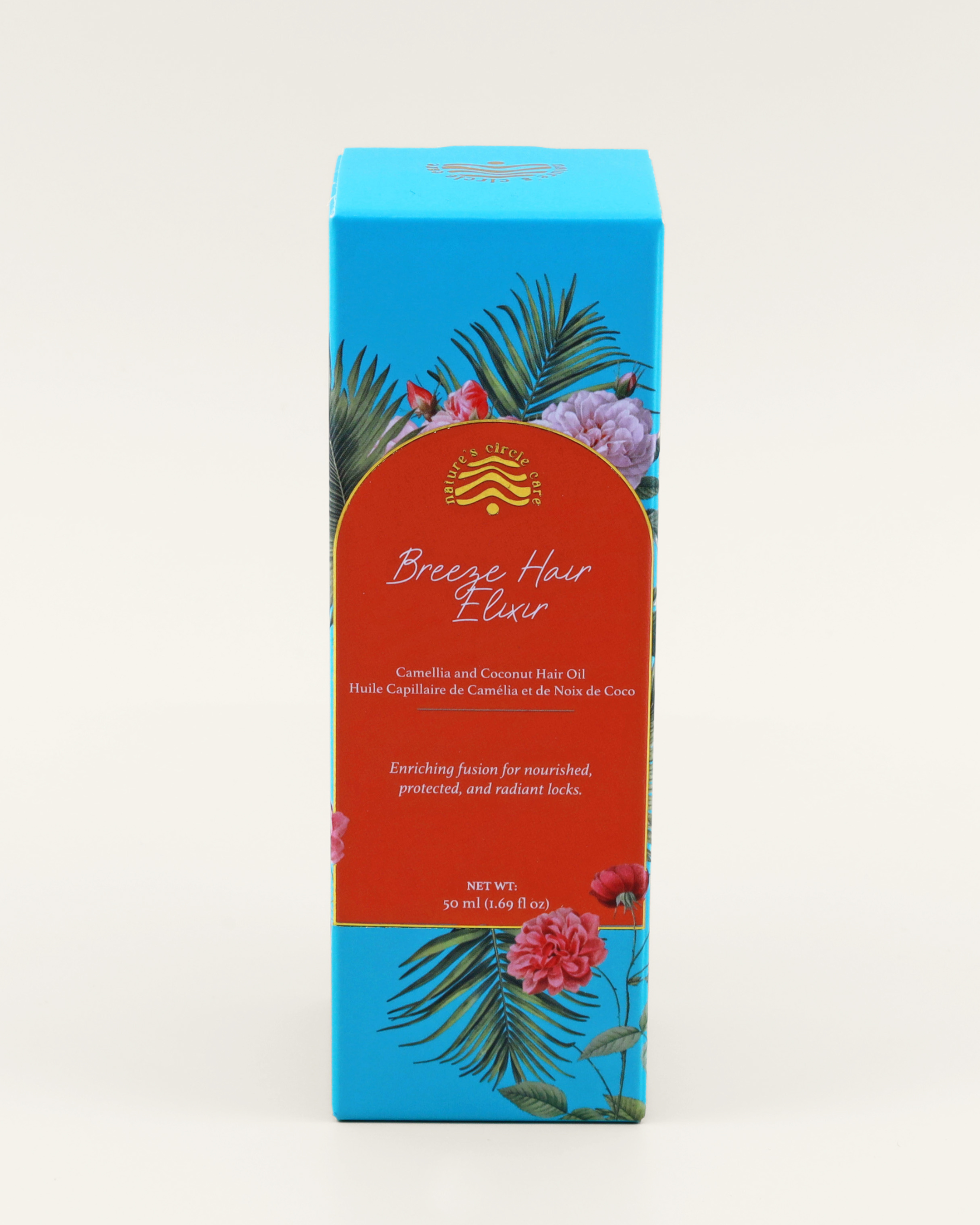
For a practical and balanced overnight routine, we recommend our Mystique Meadow Hair Elixir and Breeze Hair Elixir.
Mystique Meadow Hair Elixir
This one is designed as a pre-wash treatment. It works beautifully when used a few hours before your shower or even applied lightly before bed if you plan to wash your hair the next morning. The formula helps soften the hair, improve slip and prep dry, textured or curly strands so they experience less breakage during cleansing. It sets your hair up for a smoother wash day.
Breeze Hair Elixir
Breeze is a post-wash treatment that adds lightweight shine and protection without heaviness. It is perfect for fine or medium hair types that want softness and smoothness without feeling oily. A tiny amount on mid lengths and ends helps reduce friction while you sleep and keeps your fresh wash looking good for longer.
Quick how-tos by hair type
Curly or coily hair
Use a pineapple or two loose braids and pair this with a satin bonnet and a silk pillowcase for best results.
Wavy or medium hair
Try a loose single braid or rope twist and use a small amount of elixir on the ends to prevent frizz.
Straight or fine hair
A silk pillowcase makes the biggest difference. If you braid, keep it loose and apply only a tiny amount of oil on the ends.
Long hair of any texture
Two loose braids or a low loose bun keep strands contained without pulling on the roots.
A simple 3 step nighttime routine
- Detangle gently with fingers or a wide tooth comb
- Style loosely to reduce tension and friction
- Sleep on silk or satin and use a little oil for softness and smoothness
Final thoughts
Nighttime hair care is all about prevention. Small protective habits help us wake up with smoother, healthier feeling hair and reduce the wear and tear that builds up over months and years. Whether you have wavy hair that frizzes easily or long hair that tangles overnight, there is a simple protective technique that fits your routine.
And if you already love using oils, keep them in your routine and pair them with a protective sleep style and a silk pillowcase. Your morning hair will become healthier overtime.